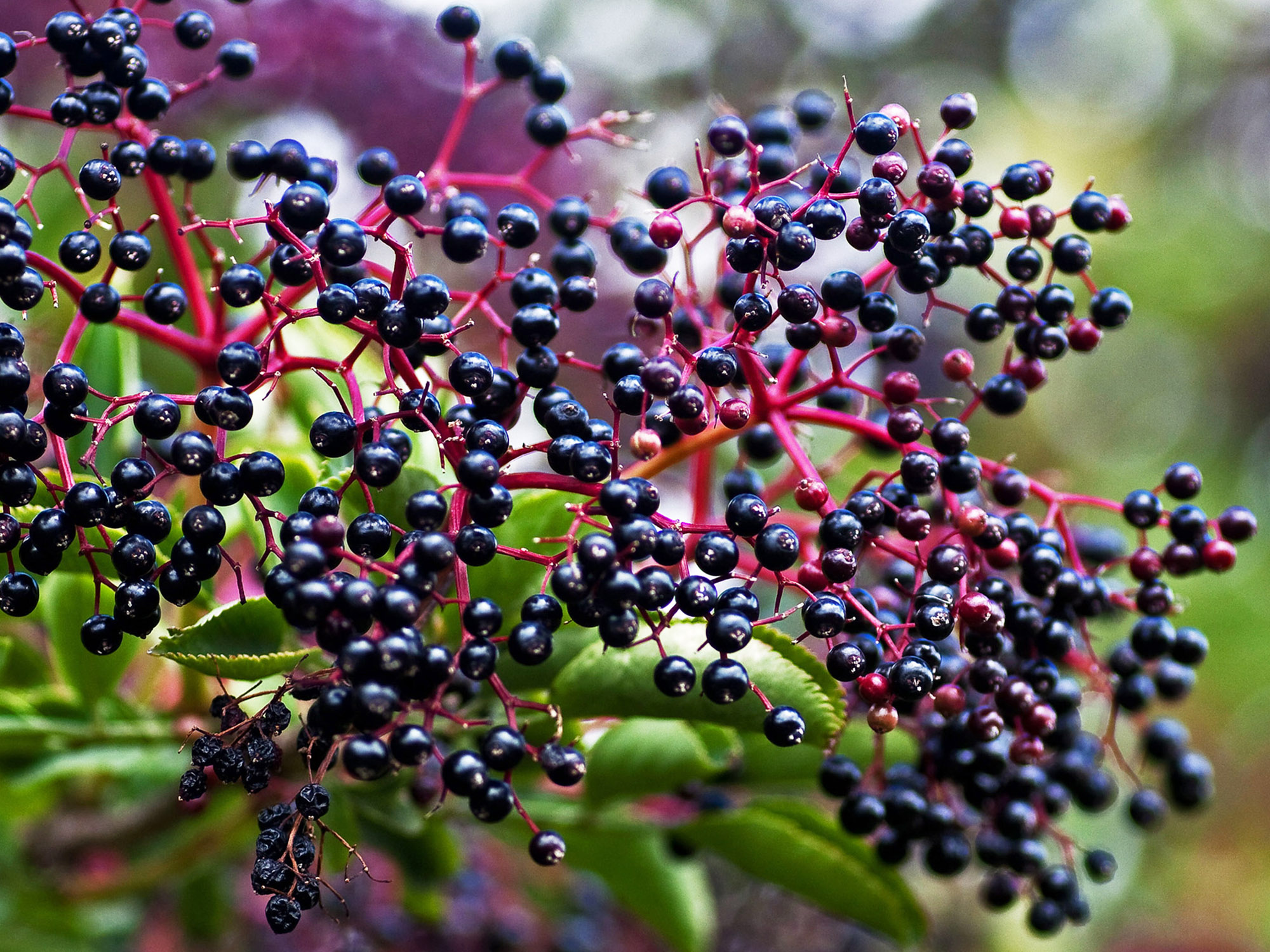
Planning, growing and conserving our food and remedies keeps me busy from March to the end of October. The goal is to eat well on fresh produce, and put by enough through various methods of preservation to take us to the next year’s harvest.
Here in the May gardens of Canada’s southwest coast, vegetables are mostly still the hope of things to come. The sugar snap peas are just beginning to blossom, the pole beans are only six inches high, the tomatoes are being hardened off, and the peppers won’t be transplanted until the nights are warmer.
This is a great time to get a head start on our annual supply of culinary and medicinal herbs. Many are perennials and are already growing vigorously. A first harvest shapes the plant and encourages new growth. It's helpful to get the herbs collected and processed early before vegetables start demanding attention. So far this spring, I've gathered and dried thyme, oregano, lemon balm, parsley, skullcap, and spearmint.
Other herbs are not quite as far along. Some have self-sown in the designated perennial bed and are just starting to grow nicely. I've trained myself to recognize the seedlings so I don't accidentally weed them out. Not having to buy seeds every year is welcome – it just takes a little extra attention. I collect leaves and flowers throughout the summer, always pinching back to encourage new growth.
How to Preserve Your Harvest of Herbs
Herbs are a valuable resource for the urban homestead. Most are easy to grow, and need very little attention once they are established. They offer a myriad of benefits, both as flavouring and in their health-giving properties. So it only makes sense to learn how to conserve them for your use all year round. Happily, that's easily done.
My first tip is to process, label and store each herb separately. If you've ever mixed oregano and thyme together because you didn't have an extra bag in the garden, you'll know what I mean. Voice of experience. Put your herbs into individual bags or containers as you gather them. Rinse them off in a salad spinner and then spin them out to remove as much water as you can. You can leave them on a cotton tea towel to wilt overnight. I've found that my sweater dryer is the perfect spot.
Small amounts can be left to dry like this. It will take about five days. I've also been known to dry a handful of rosemary or spearmint on a plate in an out of the way corner of the kitchen. Or, if you enjoy the aesthetic, you could tie the fresh herbs in small bundles and hang them in an airy spot away from direct sunlight.
By far, the method I use most for larger quantities of herbs is dehydrating. I have a five-tray Excalibur dehydrator that sees quite a lot of activity in the summer. The recommended temperature for drying herbs is 105°F / 41°C.
How to Store Your Herbs
When the herbs are dry and feel crispy, not limp, you are ready to package them. I prefer to store my herbs whole in glass jars. The more the herb is crushed, the faster the flavour will dissipate. Label each jar with the name and the date. Then proof the jar for a couple of days, which simply means leave it where you can check on it, shake it morning and night, and inspect for any hint of moisture collecting inside the glass. If that happens, more drying time is needed. Don't ignore this because you can lose the whole jar to mold. The last and optional step is to put a silica gel desiccant packet into each jar, but it's far from essential. People have been drying herbs for millennia without doing that.
As you stow the new season's herbs in a dry, dark cupboard, it is a good idea to pull out all the jars from the previous year. They won't go bad, but they can lose quality over time. Put your tea blends where you'll see them and use them up. Powder the culinary herbs in the small canister of your blender and funnel them into the little herb and spice jars in your cupboard. Even though they are last year's, they will smell wonderful, and are probably fresher than what the grocery store has to offer.
Good luck on your herbal journey. Get ready for an ever expanding garden of delightful scents and tastes.
Here are a few past articles to help you delve deeper into the lore of herbs.
Peace Tea Garden
In pain? Jittery? Anxious? Restless? Out of sorts? There’s a plant for that!
I have discovered many plants with known soothing properties that are easy to grow in a small space. This might be the time to consider creating a peace tea garden.

Herbs for Bone Broth
Bone broth has been big news the last few years. Part of the health benefit of broth comes from herbs which contribute their medicinal essence as well as their flavour. I grow many culinary and medicinal herbs, and dry them for a year-round supply.

Chive Flower Apple Cider Vinegar
Chives are one of the easiest herbs to grow and one of the earliest you can harvest. It’s satisfying to pick a few leaves from your chive plant and snip them up for a garnish. When the chives are in bloom, my favourite thing is to make Chive Flower Apple Cider Vinegar.

Fighting Colds with Thyme Tea
Sage and thyme are familiar culinary herbs every cook has used. Less well know is their value in helping fight cold symptoms and bronchial problems. This delicious tea is just the thing for the sniffles and a sore throat.